It Remote Monitoring Software Secure Remote Monitoring of IoT Devices
In the panorama of the Internet of Things (IoT), connectivity standards and protocols play an important role in ensuring gadgets can talk seamlessly. As more devices are linked, the need for effective interoperability will increase, resulting in a wide range of standards that serve completely different use instances and requirements. This comparability of IoT connectivity standards and protocols highlights the nuances that differentiate each technology, providing a clearer understanding of which might swimsuit particular purposes.
LoRaWAN (Long Range Wide Area Network) is certainly one of the dominant protocols usually utilized in IoT functions that require long-range communication. Its low power consumption makes it particularly efficient for battery-operated units, enabling them to operate for a quantity of years without having a battery replacement. The protocol is designed for extensive area networks, making it suitable for city, rural, and remotely deployed gadgets corresponding to environmental monitors and smart metropolis purposes.
Role Of Smart Sensors In Iot Smart City Monitoring Solutions with IoT
On the opposite finish of the spectrum, MQTT (Message Queuing Telemetry Transport) is a lightweight protocol designed for resource-constrained units and low-bandwidth, high-latency networks. Due to its publish-subscribe model, it allows devices to speak in close to real-time, making it especially popular for applications in smart properties and industrial automation. MQTT isn't constrained by location, enabling devices to speak no matter where they are located, as lengthy as there may be web entry.
Zigbee and Z-Wave are two other protocols that have gained traction, especially in residence automation contexts. Zigbee operates on low energy and is designed for low knowledge rate wi-fi personal area networks. With its mesh networking functionality, it facilitates communication between a number of devices, creating a sturdy network that can lengthen its range significantly. Z-Wave, whereas comparable, sometimes operates on a decrease frequency and has a distinct structure that tends to work better in indoor settings. Its targeting of client products gives it an edge in user-friendly functions.
Bluetooth also plays an important role in IoT connectivity, particularly in wearable know-how and nearby communication eventualities. The introduction of Bluetooth Low Energy (BLE) has expanded its functionality by permitting gadgets to speak with minimal battery utilization. This protocol is good for purposes where low energy is essential but nonetheless requires an inexpensive data throughput. The vary tends to be shorter, making it appropriate for environments like personal health gadgets, smart locks, and other proximity-focused technologies.
Another important player within the IoT space is Cellular connectivity, including LTE and the rising 5G networks. These technologies offer excessive data charges and widespread coverage, making them best for functions that require real-time data switch, such as autonomous automobiles and remote surveillance techniques. However, their power consumption is mostly higher in comparability with different protocols, which may be a limiting issue for IoT gadgets with battery constraints. The evolution of 5G is particularly thrilling, as it guarantees to facilitate even bigger numbers of connected units with decrease latency.
Iot Remote Monitoring Solution Top Monitoring Tools for IoT Devices
A lesser-known, yet impactful, standard is NB-IoT (Narrowband IoT), specifically designed for low-power, wide-area networks. It supports a excessive number of connected units over a larger space, making it well-suited for rural applications, smart metering, and smart agriculture. Its low bandwidth necessities are sufficient for transmitting small information packets, permitting devices to operate effectively with minimal energy consumption.
Comparing these protocols, a big issue to contemplate is the steadiness between range, energy consumption, and information price. Zigbee and Z-Wave excel in mesh networks however may not cowl as wide an space as LoRaWAN. Meanwhile, protocols like MQTT can prioritize information transfer efficiency over distance. The selection between using a cellular framework or a specialised IoT protocol typically copyrights upon the particular wants of an utility, including geographic and technical constraints.
Security stays a pressing concern across IoT implementations. With the number of connectivity standards, ensuring secure communication is paramount. Various protocols handle security in several methods, incorporating measures such as encryption and authentication protocols to safeguard knowledge. MQTT, as an example, allows for secure connections and payload encryption, whereas protocols like LoRaWAN have mechanisms to authenticate gadgets speaking over the community.
Role Of Smart Sensors In Iot Advantages of IoT Monitoring Systems
Compatibility is one other important side. As manufacturers more and more develop IoT solutions, the ability to attach devices from completely different vendors is essential. Remote Iot Monitoring Solution. Standards like Zigbee and Z-Wave have established certification packages to authenticate devices’ interoperability. This compatibility fosters a more cohesive smart house environment, permitting units to work in live performance rather than isolation.
Future developments in IoT connectivity standards are regularly expanding the chances. Researchers and trade experts are growing advanced protocols that combine the strengths of current technologies whereas addressing their weaknesses. The integration of artificial intelligence (AI) and machine learning into IoT networks is additional enhancing automation and information analysis, pushing protocols to evolve and enhance in real-time.
Ultimately, deciding on an IoT connectivity standard or protocol isn't merely a technical choice; it ought to align with the goals of the appliance and the wants of its customers. The proper choice may mean the difference between a profitable deployment and a project affected by interoperability challenges, unnecessary costs, or lowered performance.
As IoT expertise continues to mature, the significance of understanding and selecting applicable connectivity standards and protocols will solely develop. Industry participants and developers webpage must remain vigilant of tendencies and adjustments that impression the ecosystem. Knowledge of those protocols is essential, as it equips stakeholders to make knowledgeable selections that can define the subsequent era of connectivity.
Iot Global Overview of IoT Remote Monitoring
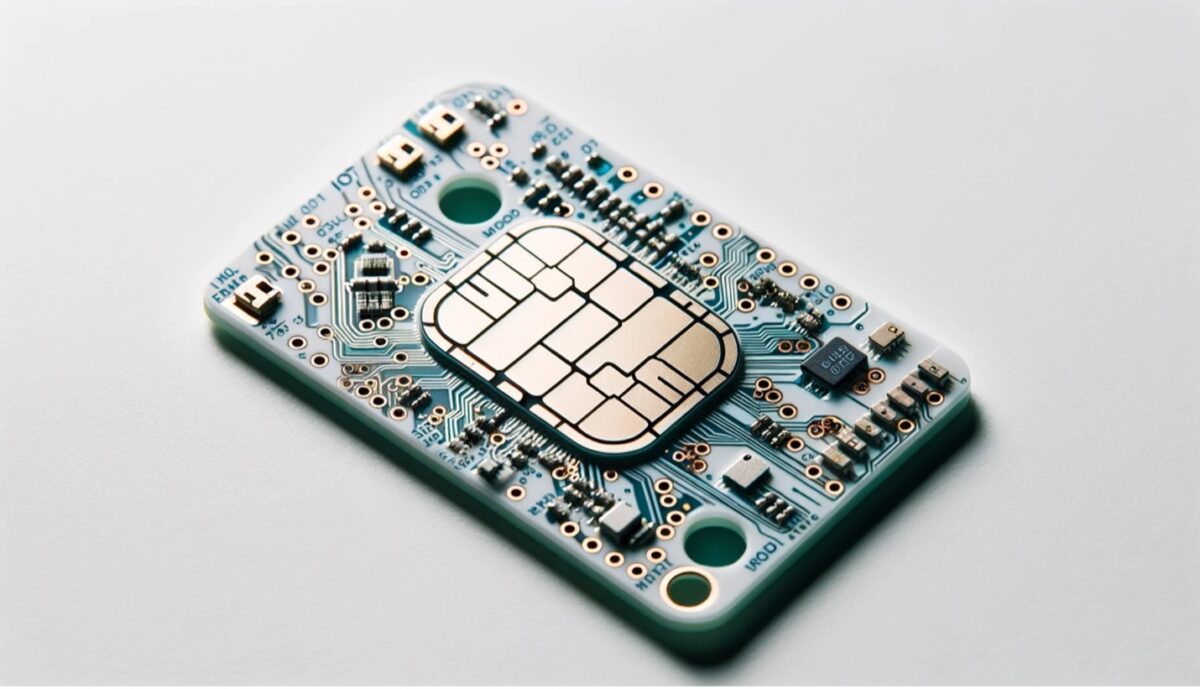
In conclusion, the comparison of IoT connectivity standards and protocols reveals a fancy however fascinating landscape. By understanding the benefits and limitations of each standard, builders could make educated decisions that will optimize their IoT deployments, enhancing effectivity and effectiveness and finally paving the means in which for a extra related and intelligent future.
- Various IoT connectivity standards, such as MQTT, CoAP, and HTTP, cater to completely different information transmission needs, influencing efficiency and utility suitability.
- MQTT is light-weight and optimized for high-latency networks, making it ideal for low-bandwidth, resource-constrained gadgets.
- CoAP helps RESTful interactions and operates over UDP, permitting for decreased overhead in comparability with traditional protocols used over TCP.
- Zigbee and Z-Wave focus on low-power, low-data functions, good for smart home gadgets and sensor networks.
- NB-IoT and LTE-M supply cellular connectivity particularly designed for IoT purposes, offering wider protection and better penetration in city environments.
- Wi-Fi and Bluetooth, while prevalent, can battle with energy consumption and scalability in large IoT ecosystems, making them much less ideal for sure use circumstances.
- LoRaWAN allows long-range, low-power communication, ideal for purposes in remote areas requiring rare data transmission.
- Each standard or protocol could come with distinctive security measures, influencing the choice primarily based on the IoT deployment's threat mannequin.
- The growing pattern of multi-protocol environments allows gadgets to modify between standards, enhancing flexibility and interoperability inside IoT ecosystems.
- Compatibility issues can come up from diverse IoT connectivity standards, necessitating cautious planning to ensure seamless communication throughout units and platforms.undefinedWhat are the principle IoT connectivity standards out there today?
The main IoT connectivity standards embody MQTT, CoAP, LoRaWAN, Z-Wave, Zigbee, and cellular standards like NB-IoT and LTE-M. Each of these standards serves completely different use cases, providing various ranges, power consumption, and information transmission capabilities.
How does MQTT differ from CoAP by means of use cases?
Iot Remote Monitoring Solution Management and Monitoring with IoT
MQTT is designed for high-latency and low-bandwidth environments, making it wonderful for scenarios requiring dependable messaging, similar to remote monitoring. CoAP, however, is tailored for constrained devices and networks, making it appropriate for applications like smart residence automation where simplicity and efficiency are essential.
What factors ought to I consider when selecting an IoT protocol for my application?
Key elements embody the application’s necessities for range, energy consumption, knowledge payload size, and community conditions. Additionally, contemplate the level of safety and scalability needed, in addition to infrastructure and device interoperability.
Iot Remote Asset Monitoring Solution Basics of IoT Remote Monitoring
Is security a major concern when evaluating IoT connectivity standards?
Yes, safety is a paramount concern. Different standards offer varying levels of safety features, like information encryption and authentication measures. It’s essential to judge how every standard addresses potential vulnerabilities to ensure the protection of sensitive knowledge.
Which connectivity protocol is greatest for long-range communication?
Remote Monitoring Solutions for Remote Asset Monitoring
LoRaWAN is often thought-about the most effective for long-range communication because of its ability to cover distances of as a lot as 15 kilometers in rural areas. It is particularly effective in purposes like agricultural monitoring and smart metropolis deployments where units are unfold out over massive areas.
How do power consumption levels vary among totally different IoT protocols?
It Remote Monitoring Software Comprehensive Remote Monitoring Solutions

Power consumption varies considerably amongst protocols. For instance, LoRaWAN go right here and Zigbee are designed for low energy utilization, appropriate for battery-operated units needing lengthy operational life. In distinction, cellular protocols like NB-IoT may eat more power but offer larger bandwidth for important functions.
Can multiple connectivity standards coexist in the identical IoT environment?
Yes, multiple connectivity standards can coexist within the same environment. This permits for greater flexibility and integration of assorted gadgets throughout totally different purposes. However, it does require a well-architected system that can handle and route information between totally different protocols effectively.
It Remote Monitoring Software Wireless Remote Monitoring for IoT
What function does scalability play in choosing an IoT connectivity standard?
Scalability is crucial when deciding on a connectivity standard, especially for functions expected to grow over time. Some protocols permit for straightforward addition of units and seamless integration into present networks, whereas others may have limitations that would hinder enlargement.
Are there specific industries that favor specific IoT protocols?
- Remote Monitoring Solutions
Role Of Smart Sensors In Iot Healthcare Monitoring Systems with IoT
Yes, specific industries typically favor explicit IoT protocols based on their unique requirements. For example, smart agriculture tends to favor LoRaWAN as a outcome of its lengthy range, whereas residence automation usually utilizes Zigbee or Z-Wave for their low power consumption and mesh networking capabilities.